invisible borders
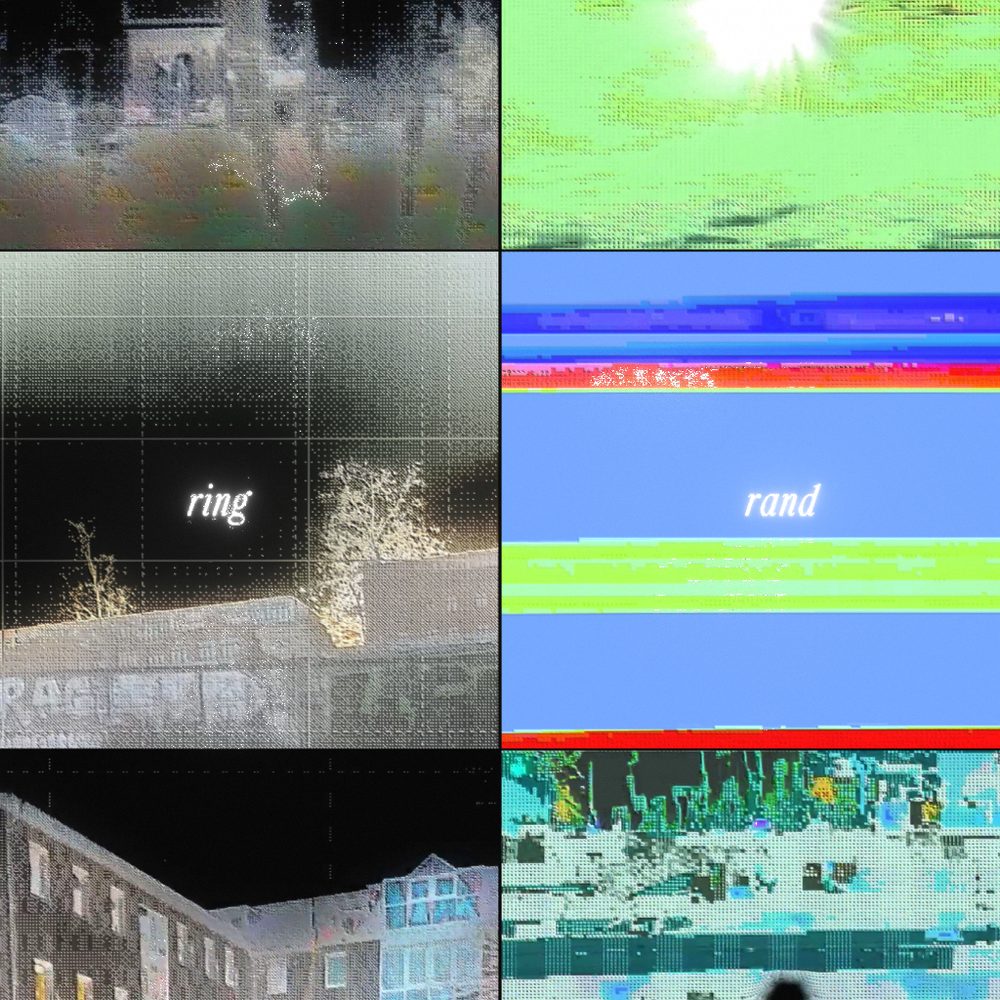
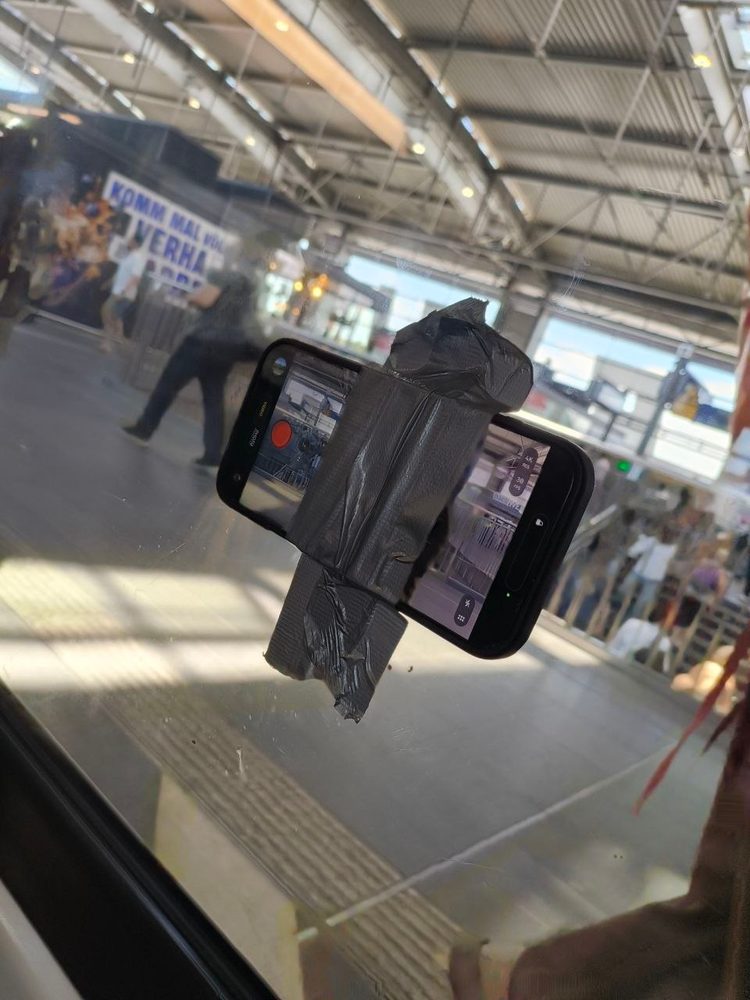
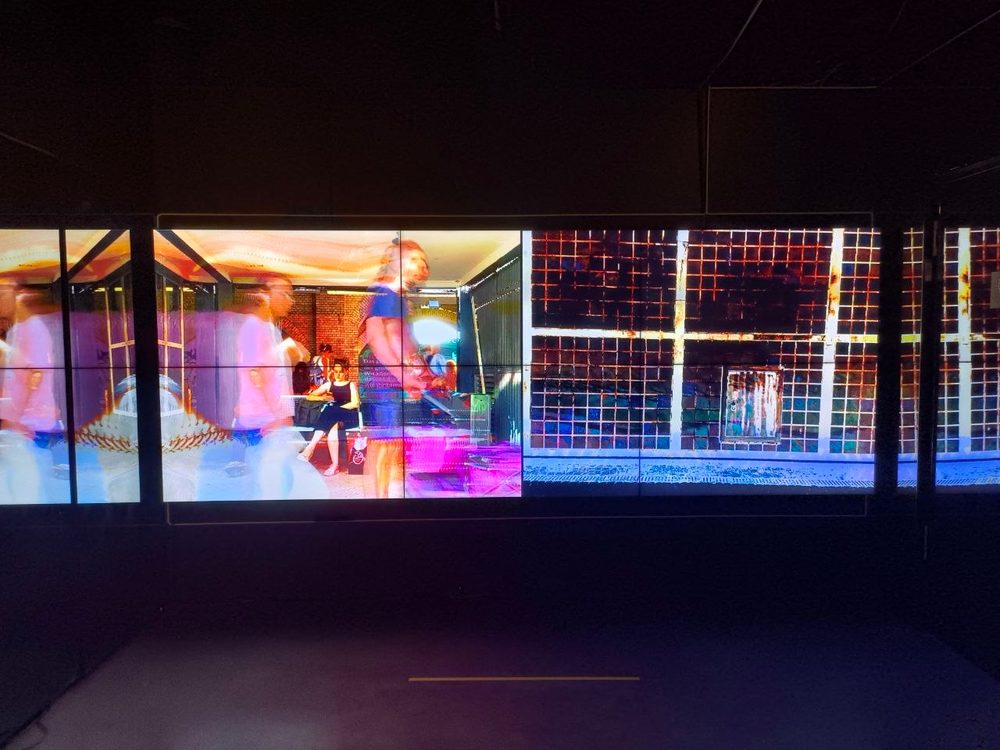
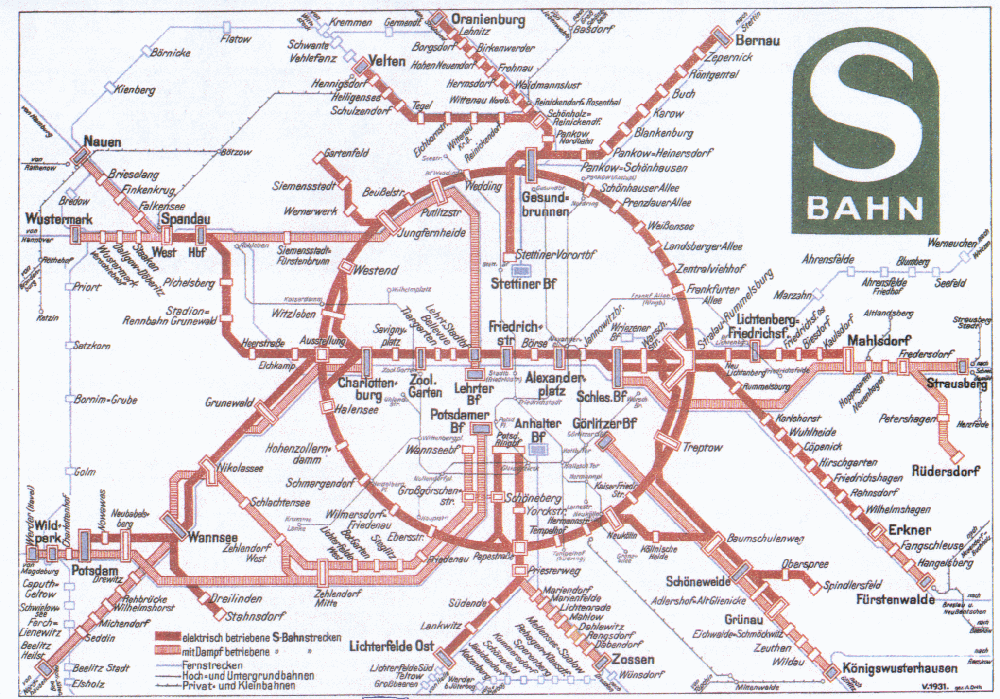
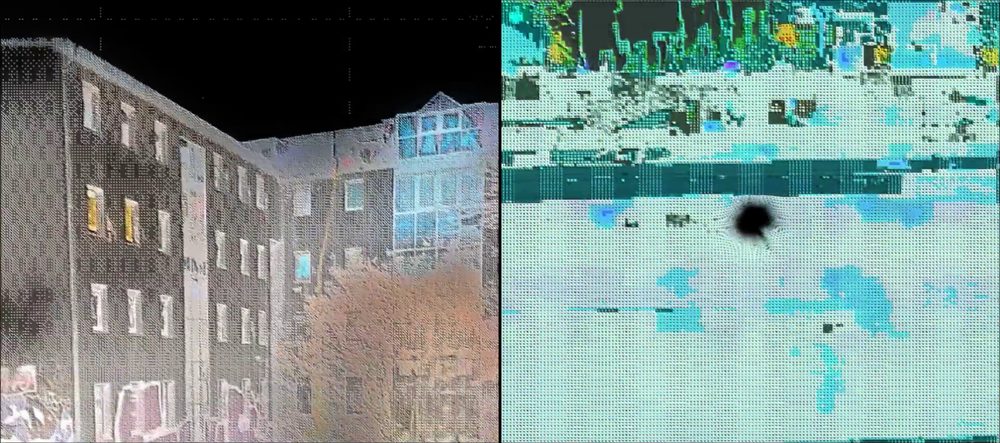
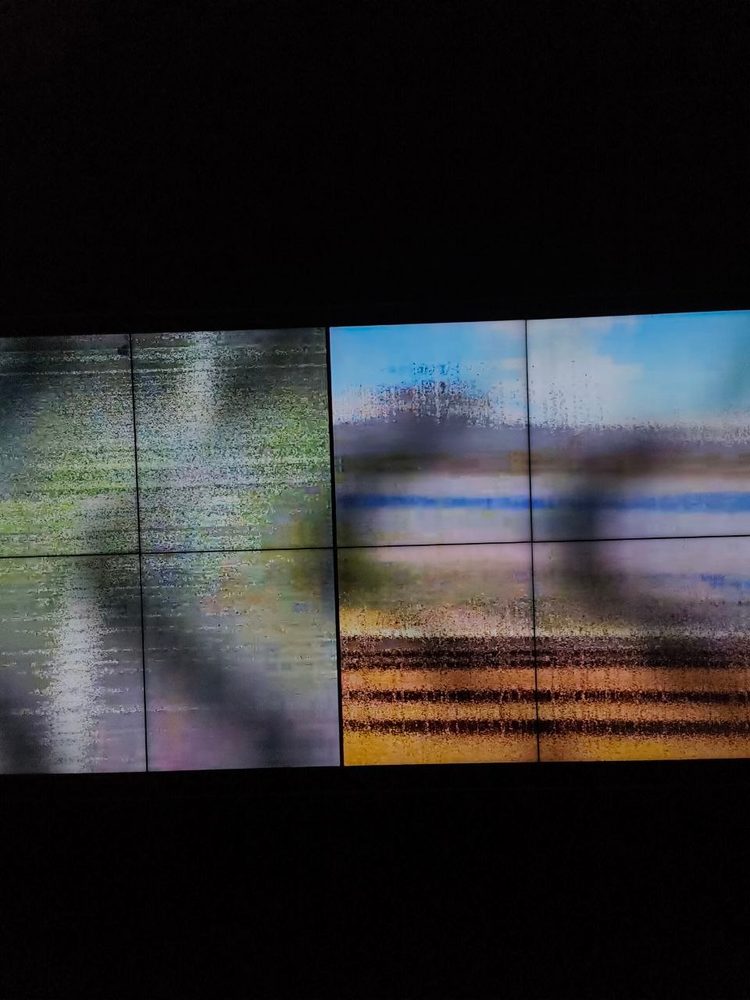
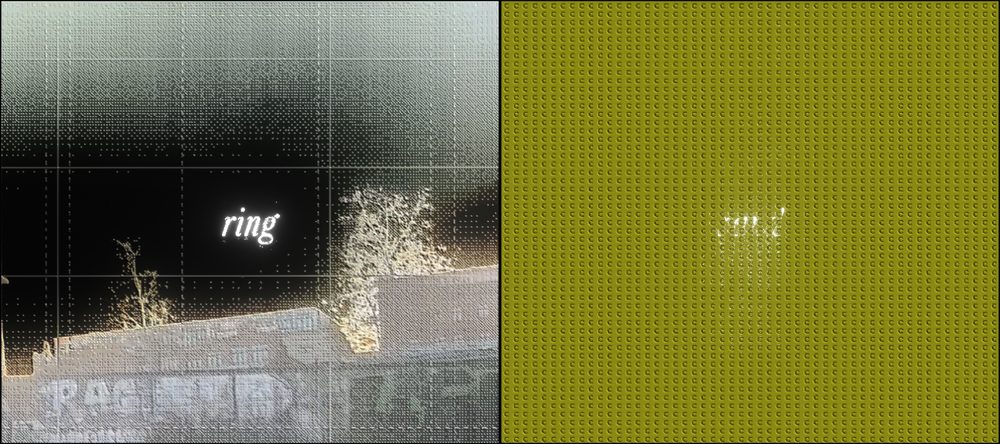
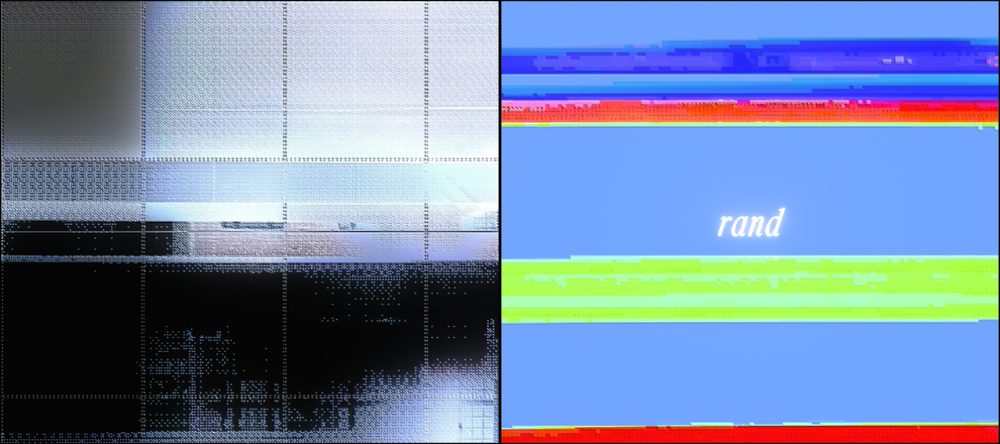
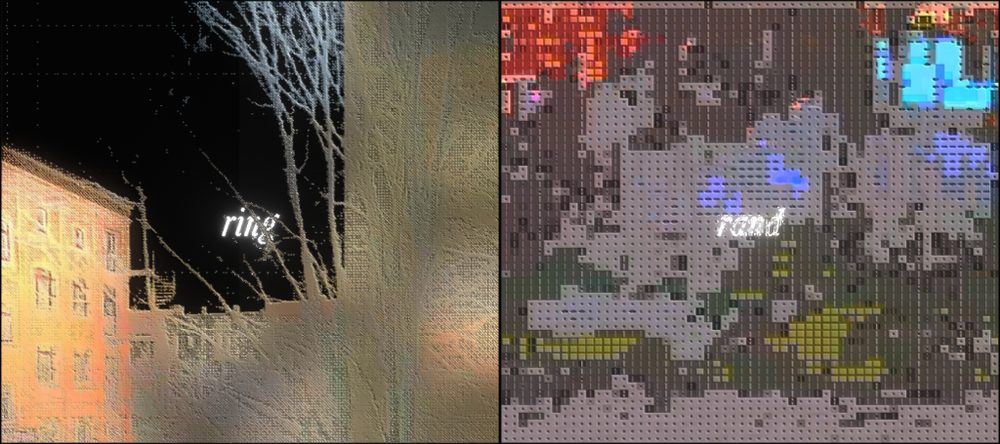
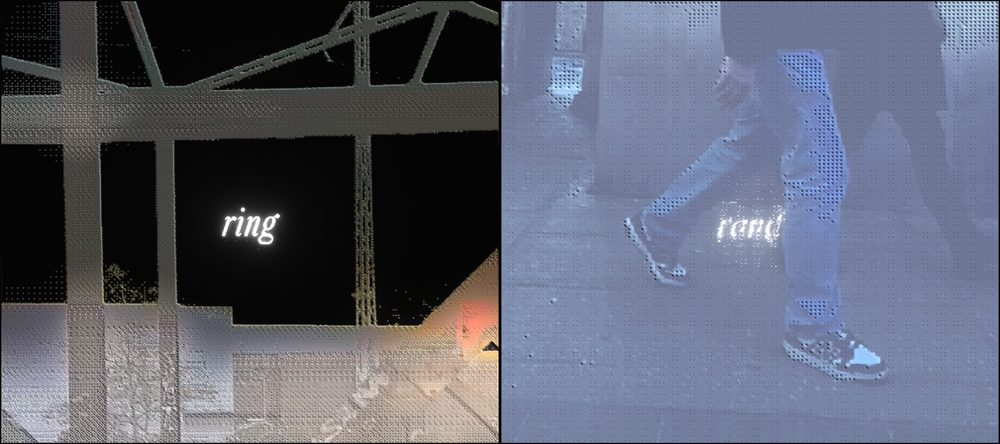
ring/rand explores unmapped and perceived borders within the city through journey along Berlin’s Ringbahn. The project takes the form of a two-channel video-installation, presenting opposite windows of the train as it endlessly circles the city, marking the pace and the rhythm for countless lives in the city day in day out.
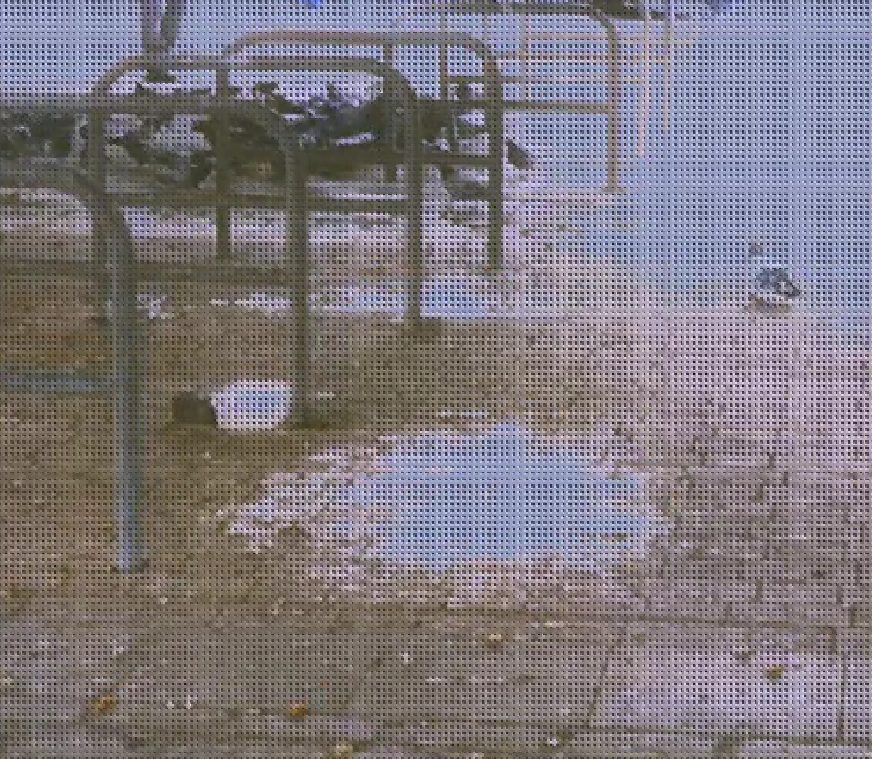
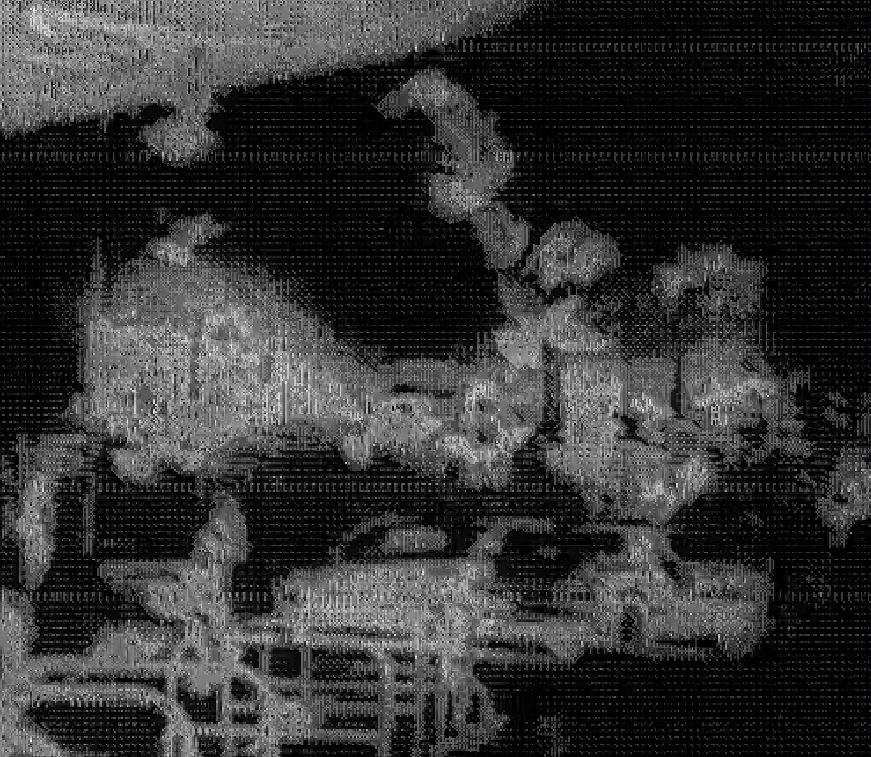
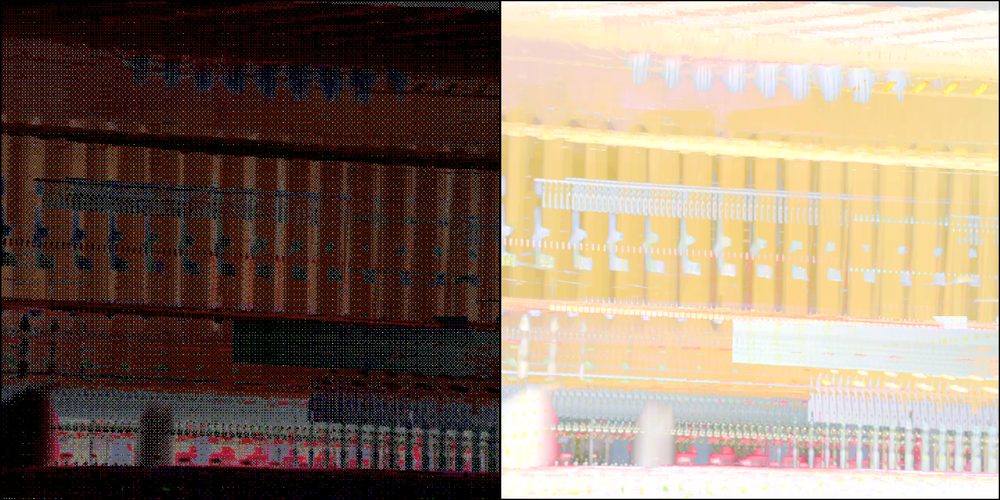
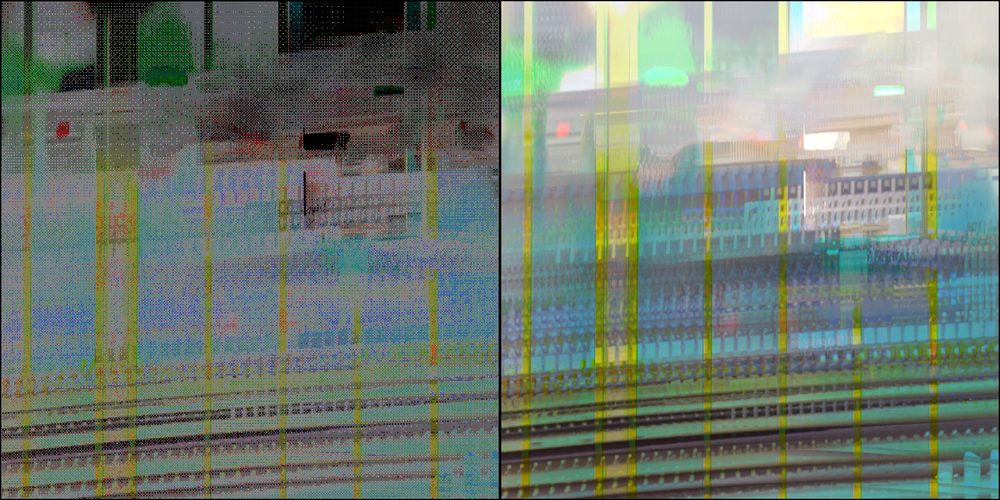
Distorting real-life images captured from the Ringbahn, the project constructs speculative scenes in which the train window becomes a framing device: the moving window functions as a lens, revealing the city not as a unified whole, but as a series of ruptures, contrasts, and traces of everyday life.
The two screens showcase a spatial tension between what is allowed to remain inside the city and what is pushed outward. On one side (inside), there’s business centers, financial hubs, gentrified cafés, and concrete. On the other (outside), the increasingly displaced: marginalized communities, clubs, informal economies, and nature. Drawing from Lefebvre’s ‘production of space’, the Ringbahn ceases to be merely transportation, but a line that reinforces divisions and spatial hierarchies. As gentrification intensifies, the city generates more imaginary borders within itself making access, belonging, and visibility increasingly exclusive. The Ringbahn becomes a divider, showing the centrifugal forces that attract money and power inward, and the centripetal forces that push people outward.
ring/rand also functions as a living digital archive. The filmed cityscape is processed and altered through generative digital media, embracing visual ambiguity as a means to question permanence, and the idea of a fixed urban narrative. Through it ring/rand invites viewers to reflect on the city as an ever-changing system and to question where its borders lie and how they might be reimagined in the future.